
You think a fifty-dollar loss is brutal. Try losing two hundred in eleven minutes. That’s what happened to a bloke I watched at a Macquarie Street cafe last Tuesday, thumb hovering over a cracked phone, coffee going cold beside him. He kept tapping the same five reels, chasing a payout that never blinked, and by the time he pocketed his device, the afternoon had bled out.
You’re the one staring at the screen, heart ticking up with every spin. Arram Bekarian has spent thirty years watching that exact face, designing three hundred-plus titles and learning what makes a player keep their thumb moving. The trick isn’t luck. It’s knowing which studios actually build for the punters who count every cent, not the ones chasing a quick flash.
How a single session unfolds
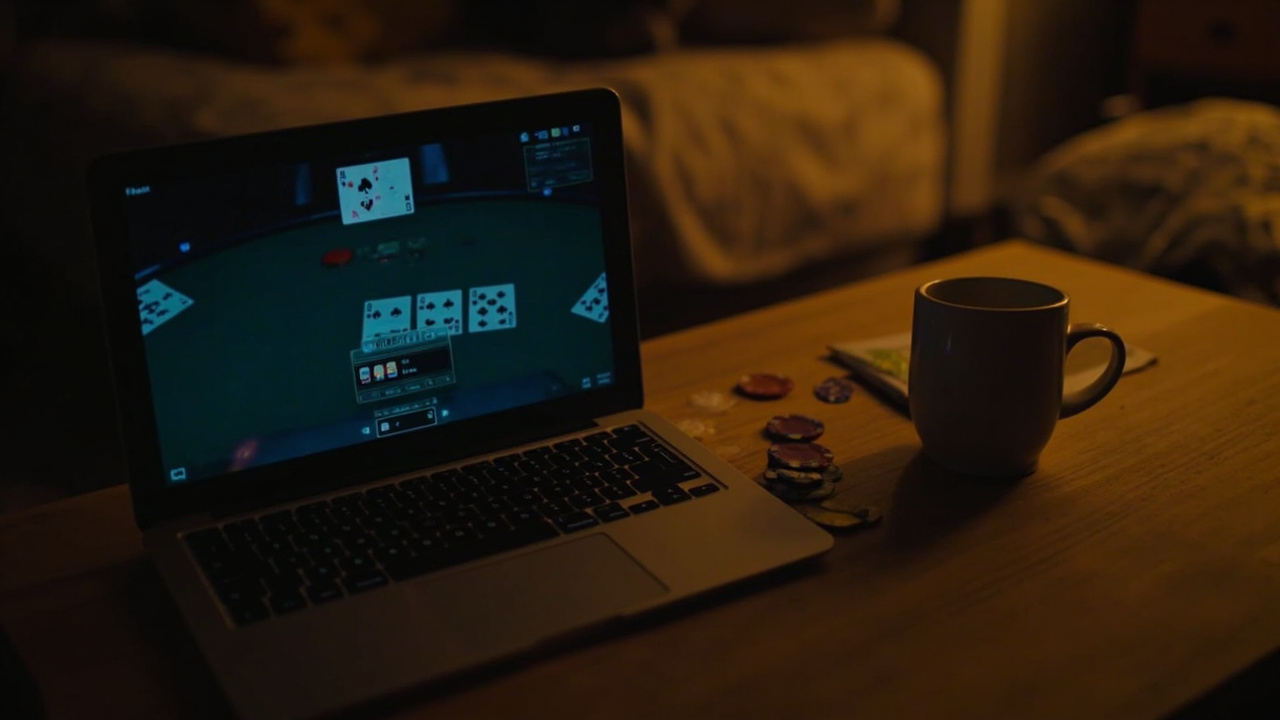
A proper session starts before you tap the first button. You set a hard stop, say forty minutes, and you stick to it like you’re catching the last Metro bus from Glenorchy to the city. You pick a game with a visible hit frequency, you watch the first twenty spins without touching the stake, and you note whether the screen feels fair or just loud. I judge a studio by whether the first minute gives you information or just noise.
Some builders hide the maths behind flashing confetti, and you can spot that within three minutes if you’re paying attention. A decent reel set tells you where the bonus triggers sit, it shows you the scatter pattern, and it doesn’t pretend a near-miss means anything at all. Near-misses are just art, not a promise, and I’ve seen enough bad designs to know the difference between a fair tease and a cheap trick.
What the better studios actually do
The studios worth your time build their return-to-player around a clear rhythm, not a mystery box. They tune the base game so you can feel a win coming, they cap the bonus frequency so the session doesn’t turn into a slog, and they keep the audio honest instead of hammering a drum every time you lose a line. You can test that rhythm yourself: run a hundred spins on demo mode, count the bonus entries, and see if the numbers sit where the paytable says they should.
You’ll find a lot of noise if you just search top software studios casino AUD and scroll past the first page of ads. The real signal is in the details a designer leaves in: a predictable wild behaviour, a bonus that doesn’t reset your stake without warning, and a paytable you can read without squinting at a phone in the sun. I’ve spent decades tuning those details, and the studios that get them right keep players coming back because the game feels like a system, not a roulette wheel with extra steps.
Where Hobart players notice the difference
Down here the light does something funny to a screen, and a lot of punters on the waterfront know the feeling of squinting at a paytable while the wind cuts across the Derwent. A good studio accounts for that by keeping contrast high and the button layout simple, so you’re not hunting for the spin control when your gloves are half-off and the coffee’s gone lukewarm. You can tell within a session whether the interface was built for a quiet desk or for a real person on a break.
The local rhythm matters too. A session that runs past your last ferry home is just a bad plan, and the better titles let you cash out without wrestling through three menus. I’ve watched players at the Casino quarter walk away clean because the game gave them a clear stop, a visible balance, and a quick exit that didn’t ask them to re-read the same terms twice. That’s not a small thing when you’re counting the minutes between shifts. Atar-notes
Reading the paytable without getting burned
A paytable is a contract, and you should read it the way you’d read a shift roster before you sign on. Check the symbol values, check the wild behaviour, and check whether the bonus round multiplies your stake or just your hope. I always run a quick comparison: if the top line pays less than five hundred times your bet on a five-reel set, I know the studio is aiming for frequency over payoff, and I decide whether that suits the session I want.
You don’t need a maths degree to spot a dodgy setup. You need a timer and a notebook. Set a target of two hundred spins, record the bonus count, and compare it to the advertised trigger rate. If the numbers drift too far, the game is either poorly tuned or outright misleading, and you walk. A fair studio won’t fight you for checking, because they know the numbers hold up.
The myth about near-misses
People swear a near-miss means the machine is about to pay, and that’s just a story we tell ourselves to soften a loss. A near-miss is a symbol layout, nothing more, and any studio that leans on it as a promise is playing a psychology trick rather than a game mechanic. I’ve built titles where the near-miss is deliberately common because it keeps the screen lively, and I’ve always made sure the paytable says exactly what it means. abigcandy login
The myth survives because it feels true in the moment. Your thumb hovers, the reels stop one off the line, and your brain fills in the rest. A disciplined player treats that moment as a signal to check the timer, not as a sign to raise the stake. If you want a session that ends with your nerves intact, you separate the art from the arithmetic and move on.
How to pick a studio before you deposit
You can sort the builders in a single afternoon if you know what to look for. Run this short list on any title before you put real money in, and you’ll weed out the loud ones fast.
- Open the paytable first and confirm the top symbol pays at least three hundred times your bet on a standard five-reel set.
- Run a hundred demo spins and count the bonus triggers, then compare that count to the published hit frequency.
- Check whether the bonus round changes your stake or your multiplier without a clear warning on screen.
- Note the exit path: can you cash out and leave in two taps, or do you have to fight through a menu? Watoday
- Read the terms on free rounds and confirm the wagering requirement doesn’t reset your session balance without notice.
A studio that passes those checks earns your time. One that fails any of them earns your distance, and you save the rest of your bank for a game that treats you like a player, not a target.
Keeping the session under your control
Control is just a set of small decisions stacked up before the heat hits. You set a loss limit, you set a time limit, and you don’t move either one when the reels go quiet. I tell players to use a physical timer, not the phone clock, because the phone clock has notifications and the timer doesn’t. A twenty-minute block with a clear stop beats an hour of drifting every time.
You also keep your stake flat until the session tells you something. If the bonus hits early, you note it and stick to the plan; if the base game goes cold, you don’t chase it with a raise. The better studios give you enough information to make that call, and the rest is just discipline. You walk away on your own terms, not when the screen decides you’re done.
If you want a session that actually makes sense, start with a studio that shows its work and a limit you can keep. Log in cleanly at abigcandy login, pick a title that passes the paytable check, and run your first block with a timer on the desk. The games that respect your time will show up quickly, and the ones that don’t will reveal themselves before you’ve spent a cent you meant to keep.
