Exploring the historical significance of gambling practices
Origins of Gambling in Ancient Civilizations
The practice of gambling can be traced back to ancient civilizations, where it played a vital role in social and cultural activities. Archaeological findings suggest that as early as 3000 BC, societies such as the Chinese and Egyptians engaged in games of chance. These early forms of gambling were not merely about monetary gain; they were often intertwined with religious and spiritual beliefs. Dice made from bones, for instance, have been discovered in tombs, indicating that gambling was likely viewed as a way to communicate with the divine or to foresee the future. In addition, players often sought out non gamstop casinos to expand their choices and opportunities for betting.
In ancient Rome, gambling evolved further with the introduction of betting on gladiatorial games and chariot races. The Roman Empire established a framework for various gambling activities, allowing them to flourish and embedding them deeply into the social fabric. This period not only solidified gambling as a popular pastime but also highlighted its connection to status and wealth, further influencing societal norms regarding chance and fate.
The Role of Gambling in Medieval Europe
As Europe transitioned into the Middle Ages, gambling transformed significantly. Despite the Church’s attempts to suppress it, gambling remained a popular activity among the nobility and common folk alike. Games such as cards became widespread, and betting on horse racing saw a notable rise in popularity. These activities often served as a form of entertainment and socialization, allowing people to engage across different classes.
Furthermore, gambling during this time provided an avenue for economic transactions, as it became increasingly commercialized. The introduction of playing cards in the late 14th century can be seen as a reflection of the complex societal structures and burgeoning trade networks of the time. These developments not only shaped the nature of gambling but also echoed the broader economic changes happening in medieval Europe, marking a shift toward more structured forms of gaming.
Modern Gambling and Its Cultural Impact
The 19th century witnessed a significant evolution in gambling practices with the rise of casinos and organized betting. The establishment of iconic gambling hubs, such as Monte Carlo, signified a new era where gambling became associated with luxury and leisure. This shift was not only about personal enjoyment; it was also a matter of economic importance, as these establishments contributed to local economies through tourism and job creation.
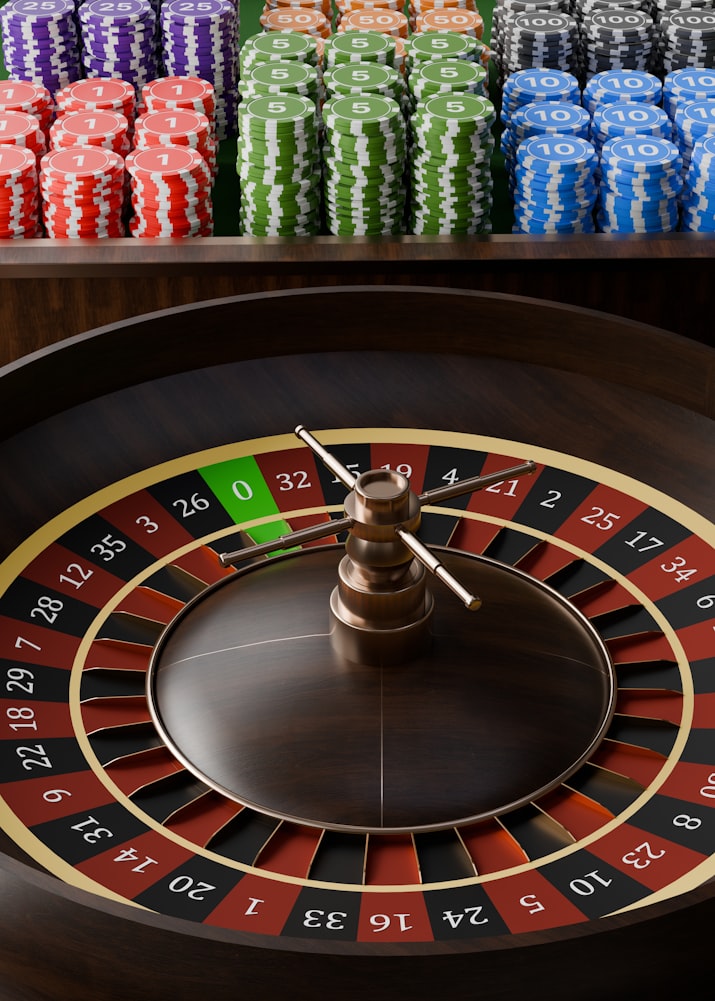
In contemporary society, gambling has transcended its traditional boundaries, now embracing online platforms and mobile applications. This accessibility has reshaped the way people engage with games of chance, allowing for a globalized interaction with gambling that was previously unimaginable. However, this evolution has also raised questions about regulation, responsible gaming, and the social implications of easy access to gambling.
Conclusion: Understanding the Historical Significance of Gambling Practices
Today, the historical significance of gambling practices is more relevant than ever. By examining its roots, we gain insight into how these activities reflect broader societal values and economic conditions over time. The intricate relationship between gambling and cultural identity continues to shape the ways in which communities engage with risk and chance in the modern age.
For individuals and businesses interested in maintaining a secure online presence, understanding these historical contexts can inform better decision-making regarding online gambling platforms. Additionally, the emphasis on responsible gambling practices aligns with the need for comprehensive security measures that protect both users and operators alike. Websites offering online protection services play a crucial role in safeguarding these digital environments, ensuring a secure and enjoyable experience for all participants in the evolving landscape of gambling.