
The Role of Luck in Gambling
Luck plays a central role in the gambling experience, influencing outcomes in a myriad of ways. Unlike skill-based games, where strategy and decision-making can significantly affect results, many gambling formats rely heavily on chance. Common examples include games like slots and roulette, where the outcome is determined by random number generators or spinning wheels, leaving players at the mercy of fortune alone. For those seeking a thrilling experience, choosing a secure online casino with fast withdrawal options can enhance the excitement while managing risk, making luck a crucial component of the gambling landscape.
Moreover, the perception of luck can shape a gambler’s approach to playing. Many believe that luck can be cultivated through rituals or charms, an idea that reflects a deep psychological component of gambling behavior. Whether it’s wearing a specific outfit or believing in lucky numbers, these practices highlight the human desire to create a connection between actions and outcomes. Such beliefs can enhance the gambling experience, fueling hope and anticipation, while simultaneously offering a sense of control in an unpredictable environment.
In essence, luck affects not just the results of individual games but also the overall mindset of players. For instance, the thrill of hitting a jackpot or winning a high-stakes game can lead to a surge of dopamine, reinforcing the gambler’s enthusiasm. This phenomenon indicates that luck not only determines who wins or loses but also enhances the emotional highs of gambling. Thus, the concept of luck reverberates throughout the gambling experience, creating a complex interplay between chance, psychology, and player behavior.
Luck vs. Skill: A Delicate Balance
In the gambling world, the debate over luck versus skill remains a contentious topic. While many games are predominantly luck-based, others incorporate elements of skill that can alter the odds in favor of knowledgeable players. For instance, poker is often cited as a game where both luck and skill intersect. A skilled player can make strategic decisions based on their knowledge of the game and their opponents, yet they are still subject to the whims of the card shuffle, showcasing how both factors can coexist.
Casual players often rely on luck, hoping for favorable outcomes without understanding the nuances of games that require skill. Conversely, professional gamblers invest time into mastering their craft, recognizing that informed decisions can tilt the odds slightly in their favor. However, they also acknowledge that even the most seasoned players can experience streaks of bad luck, emphasizing that skill alone cannot guarantee victory. This delicate balance between luck and skill plays a significant role in attracting a diverse range of players to different types of gambling.
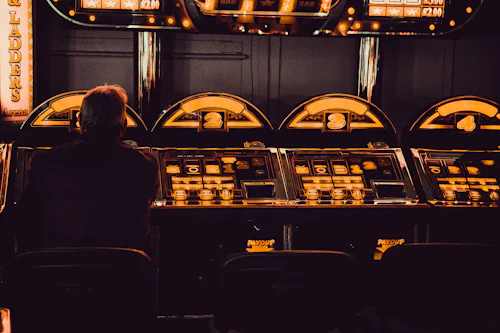
The blend of luck and skill adds layers of depth to the gambling experience. Some players may find joy in purely luck-based games, relishing the excitement of chance, while others may prefer skill-based formats that challenge their intellect and strategic thinking. This diversity ensures that the gambling world remains engaging for all types of players, providing varied experiences that appeal to both risk-takers and calculated strategists alike.
The Psychological Impact of Luck on Gamblers
Understanding the psychological implications of luck in gambling is essential to grasp why it matters so profoundly. The belief in luck can offer players a sense of agency in situations that are fundamentally beyond their control. For instance, a gambler who wins a particularly challenging bet may attribute their success to lucky streaks, reinforcing their belief in their own fortune. This cognitive bias can lead to continued engagement in gambling, as players seek to replicate their ‘lucky’ experiences, thus fueling the gambling cycle.
Conversely, when players face a series of losses, the psychological effects can be detrimental. The feeling of being ‘unlucky’ can lead to frustration and desperation, causing some gamblers to chase losses in hopes of regaining what they have lost. This behavior is often referred to as “loss chasing,” and it can lead to problematic gambling habits, highlighting the critical role of luck in shaping both the positive and negative aspects of the gambling experience. Understanding these psychological nuances is essential for both players and industry professionals seeking to promote responsible gaming practices.
Additionally, the randomness of luck can amplify the thrill of gambling. Players often experience a rush of adrenaline when fortune favors them, which can create a euphoric state likened to other risk-taking behaviors. The highs and lows associated with luck foster an emotional roller coaster that can be both exhilarating and perilous. For many, this psychological thrill is a primary motivator for engaging in gambling activities, underscoring the intricate relationship between luck, psychological rewards, and gambling behaviors.
Luck and Casino Marketing Strategies
In the gambling industry, marketing strategies heavily leverage the concept of luck to attract players. Casino advertisements often highlight stories of lucky winners and life-changing jackpots, creating an enticing narrative that speaks to the dreams of potential customers. By showcasing individuals who have experienced significant wins, casinos tap into the allure of luck, fostering an aspirational image that can draw in both novice and seasoned gamblers. These marketing tactics emphasize that anyone, regardless of skill level, could be the next big winner.
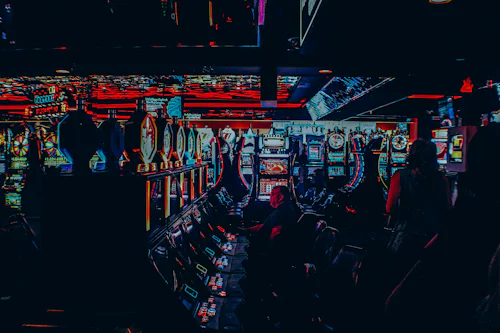
Furthermore, loyalty programs and promotional offers often play on the idea of enhancing luck. Many casinos offer bonuses and free spins as incentives for new players, presenting them with additional chances to win without requiring an upfront financial commitment. This approach not only lowers the barrier to entry for new customers but also instills a sense of optimism that fortune may smile upon them. By intertwining luck with promotional strategies, casinos effectively create an engaging environment where players feel hopeful and enthusiastic about their potential successes.
Overall, the focus on luck in casino marketing reflects a deep understanding of player psychology. By promoting images of fortune, casinos create an engaging atmosphere that resonates with the desires and aspirations of gamblers. This strategic focus on luck not only helps attract new players but also fosters a sense of community among players who share their stories of wins and losses, enhancing the overall gambling experience in a highly competitive industry.
Conclusion: The Future of Luck in Gambling
As the gambling landscape continues to evolve, the role of luck remains an enduring and essential element. With the rise of online gaming and technological advancements, the ways in which luck is perceived and experienced are likely to change. Virtual realities and innovative game designs may modify how players interact with luck, potentially creating new forms of engagement that further emphasize chance. The nature of luck will continue to be a focal point in shaping the future of gambling, appealing to both traditional and new generations of players.
Moreover, industry stakeholders must remain vigilant regarding the implications of luck on gambling behaviors. With increased accessibility to gambling platforms, the potential for harmful engagement patterns driven by belief in luck could rise. Therefore, responsible gaming initiatives will need to incorporate understandings of luck to better inform players and mitigate associated risks. Educating gamblers about the nature of luck versus skill will be essential in fostering healthier gaming environments.
In conclusion, luck holds immense significance in the world of gambling, influencing experiences, behaviors, and industry practices alike. As players continue to seek thrills and engage with various forms of gambling, the concept of luck will remain a pivotal aspect, driving excitement while also necessitating a cautious approach to responsible gambling practices. As we look to the future, the interplay between luck, psychology, and gambling will undoubtedly shape the trajectory of this dynamic industry.
